
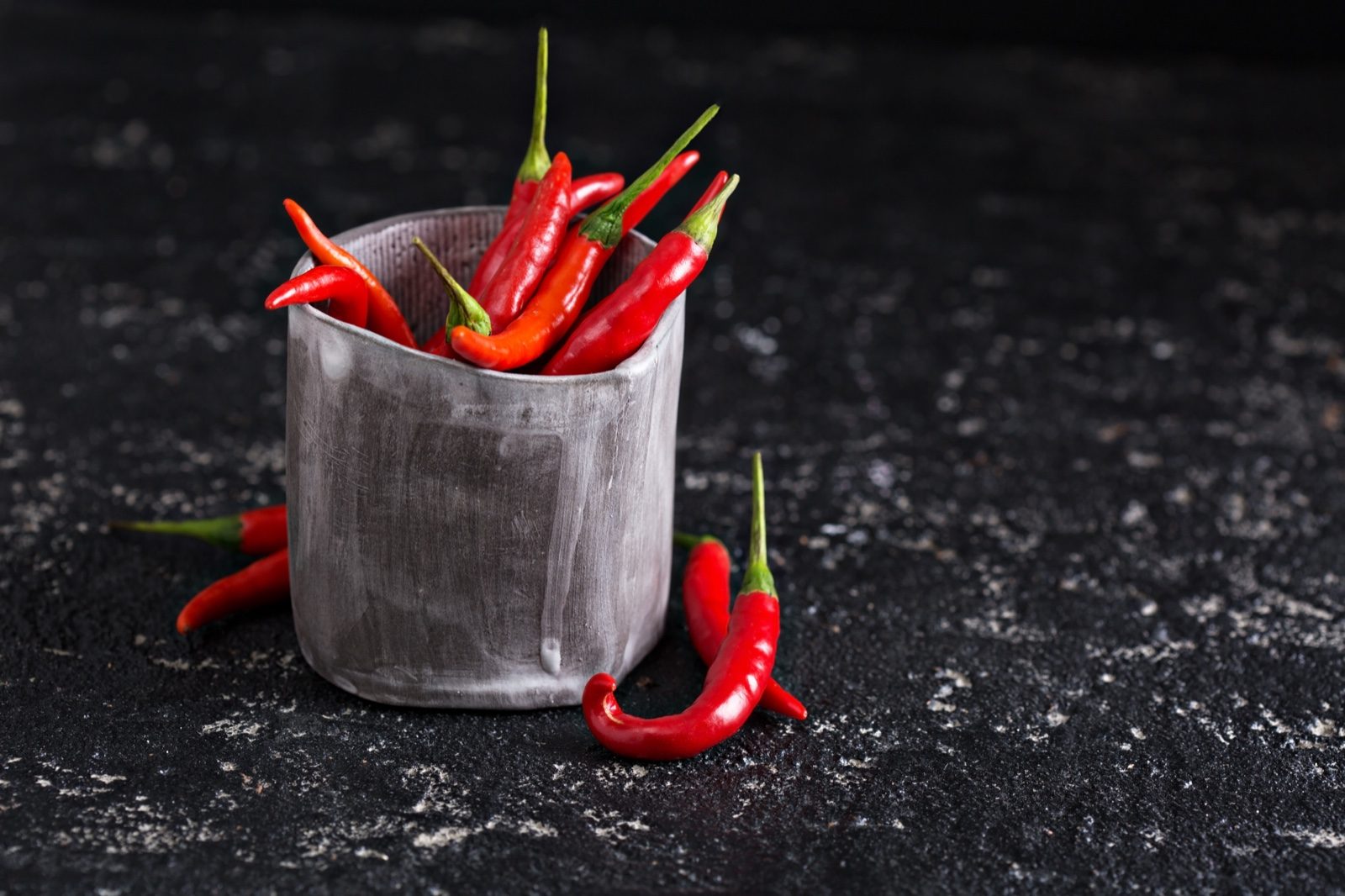
What is fire cider?
Fire cider is raw apple cider vinegar steeped for three to four weeks with fresh horseradish, garlic, onion, ginger and hot pepper, then strained and usually sweetened with honey. It is sour, sweet, hot and pungent all at once, and people take it by the spoonful or as a small daily shot.
It is a folk recipe rather than a product, which is a large part of its charm: everybody’s is a little different, and nobody’s is wrong. We make a ready-made daily tonic that shares several of its ingredients, so this is a drink close to our own.
Who invented fire cider?
The name belongs to the American herbalist Rosemary Gladstar. In the winter of 1979 to 1980, in a class called Herbs for Winter Health at her California herb school, she taught a spicy vinegar mixture with honey. She could not later remember whether she or a student named it, but the name stuck.
She built it on older folk remedies, and she gave it away, teaching it every winter for decades and printing it in her books. The idea is older still: Roman legionaries drank posca, a daily ration of vinegar and water.
That generosity is why the name ended up in court. In 2012 a Massachusetts company registered Fire Cider as a trademark and began asking other makers to stop using it. Three herbalists were sued, and on 30 September 2019 a US federal judge ruled that fire cider is a generic term: the ordinary name for a kind of drink.
Fire cider is a kind of drink, not a brand. A US federal court said so in 2019, and anyone may make it.
US District Court, District of Massachusetts, 2019Findings of fact and rulings of law in the fire cider trademark case, including Gladstar’s testimony on the 1979 to 1980 class. Read the ruling
What goes into fire cider?
The classic recipe has six parts, and each one is doing something you can taste.
- Raw apple cider vinegarThe base. It draws the flavour out of everything steeped in it, and its acidity keeps the jar stable.
- HorseradishThe signature. Freshly grated, it sends the heat up your nose rather than across your tongue.
- Garlic and onionThe savoury backbone, raw and plenty of it.
- GingerWarmth and bite without chilli’s burn.
- Hot pepperCayenne, jalapeño or habanero, to taste.
- HoneyStirred in at the end to round off the edges; some leave it out.
The popular additions are turmeric with black pepper, lemon or orange, and rosemary.
The horseradish is the best chemistry in the jar. An intact root barely smells of anything. Grating breaks its cells, letting an enzyme called myrosinase reach a compound called sinigrin and turn it into allyl isothiocyanate, the volatile oil that makes your eyes water. Because it evaporates so readily, it goes up your nose instead of staying in your mouth. Garlic runs a similar trick, which is why recipes ask for everything grated or crushed fresh.
Biomolecules, 2020Sinigrin is the main glucosinolate in horseradish, and myrosinase converts it to allyl isothiocyanate when the root is damaged. Read the review
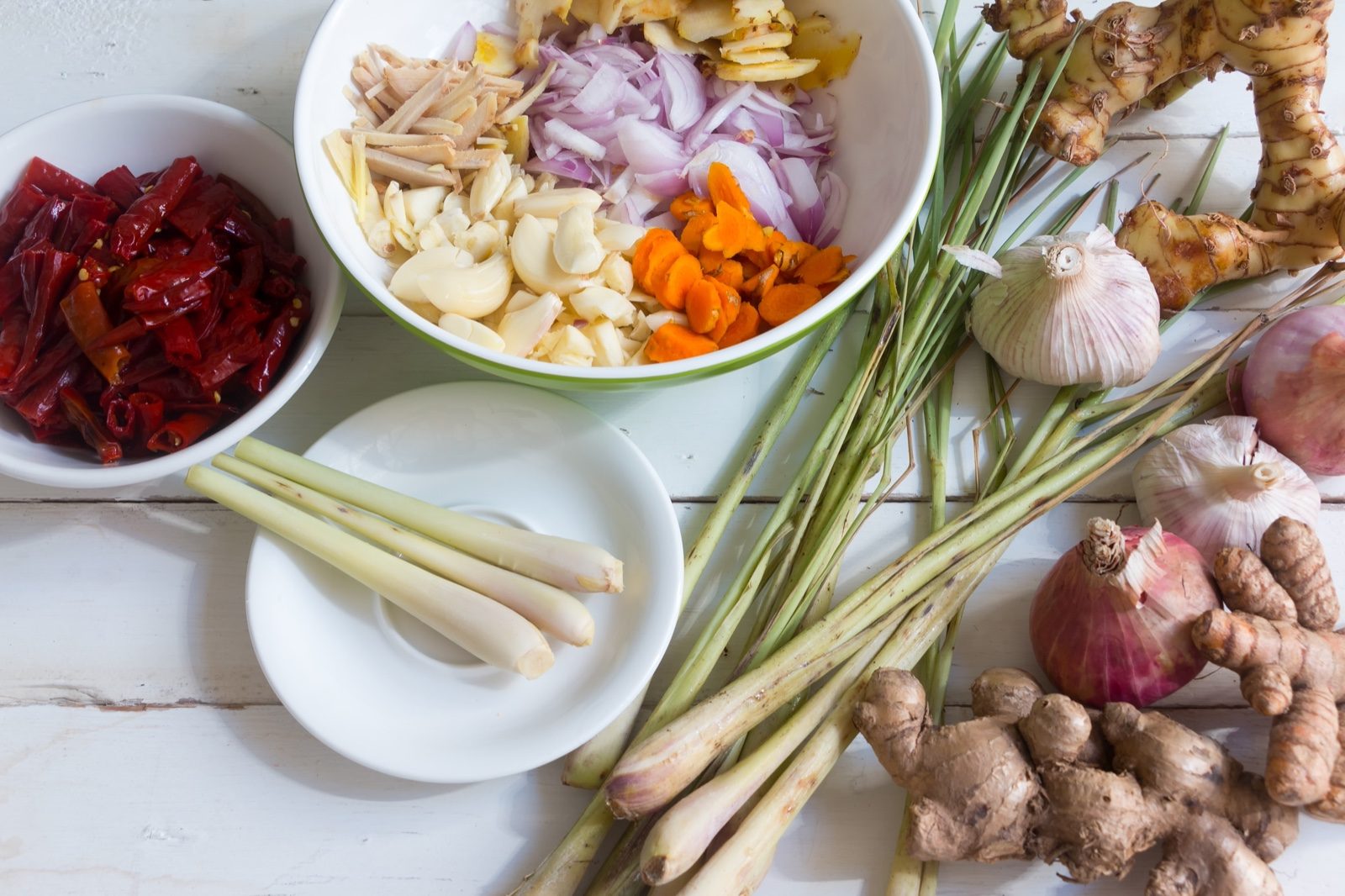
The usual fire cider base: garlic, onion, ginger and hot pepper, with turmeric in many recipes.
How to make fire cider
Gladstar’s original uses half a cup each of horseradish and onion, a quarter cup each of garlic and ginger, and hot pepper to taste. The only hard part is waiting.
- Prepare the rootsGrate the horseradish and ginger, chop the onion and garlic, and slice the peppers.
- Cover with vinegarPack it all into a large glass jar and pour in vinegar until it sits a few centimetres above the solids.
- Protect the lidVinegar corrodes metal, so use a plastic lid or baking paper under a metal one.
- Steep and shakeSomewhere cool and dark for three to four weeks, shaken daily.
- Strain and sweetenStrain through muslin, squeeze the pulp hard, then stir in warmed honey to taste.
Gladstar says it keeps for several months in a cool pantry, and best in the fridge. The strained pulp is very good in a stir-fry.
Rosemary Gladstar’s recipeThe original quantities, the three to four week steep, and her storage advice, from her book Fire Cider. Read the recipe
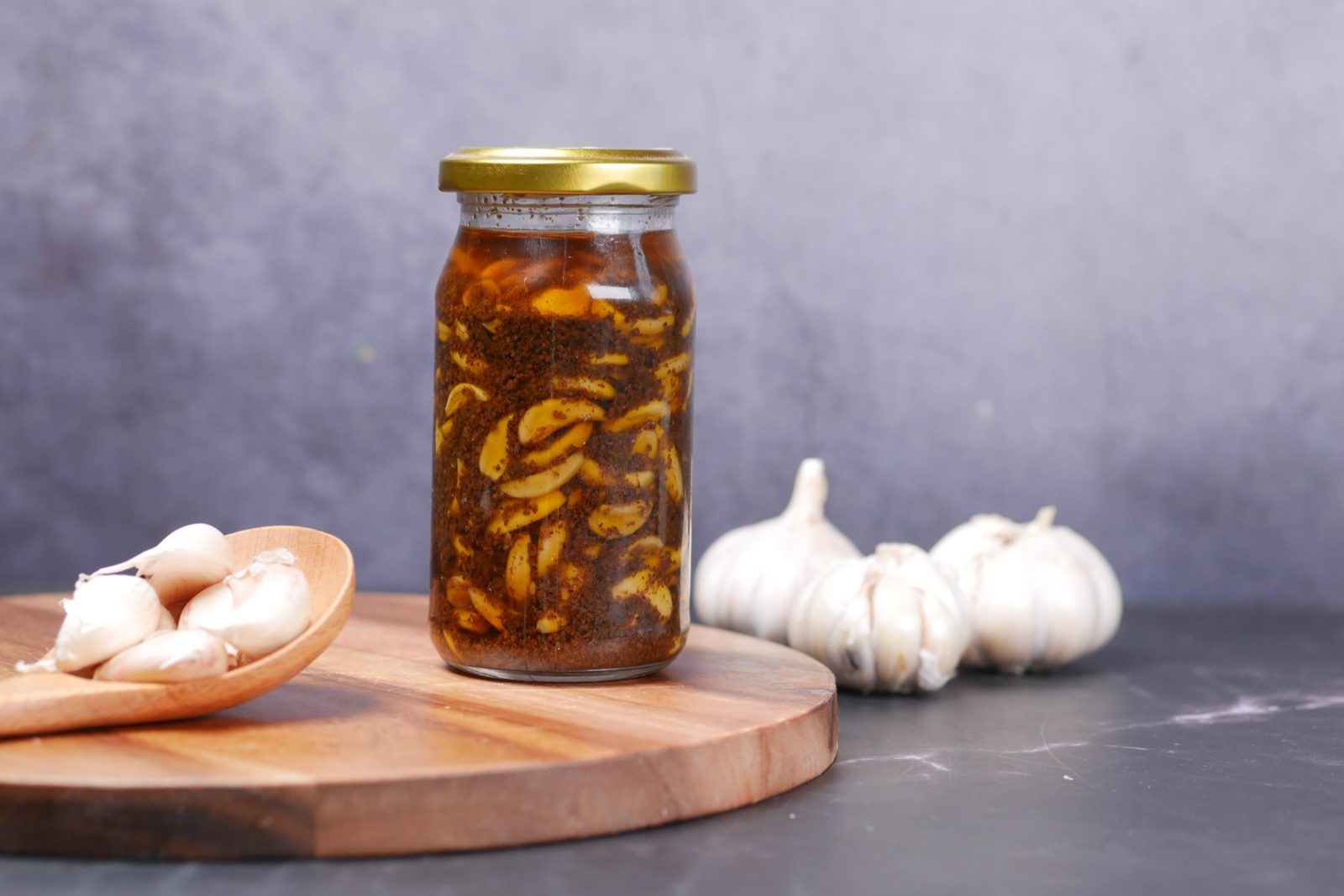
Fire cider steeps in a sealed jar for three to four weeks, shaken daily, before it is strained.
How do you take fire cider?
Most people take a tablespoon or a small shot glass a day, neat or in a little water. It earns its keep in the kitchen too, whisked into a salad dressing or a marinade, or topped up with soda water. Daily is the whole idea: it is a ritual as much as a recipe.
Is fire cider good for you?
Its ingredients are some of the most studied foods there are. Garlic has the strongest record: the US National Center for Complementary and Integrative Health notes that garlic supplements may modestly lower cholesterol and blood pressure in people whose readings are raised. Vinegar, ginger and chilli each have research of their own, set out on the ingredient pages linked above.
NCCIH, National Institutes of HealthGarlic: what the research shows, and its safety notes, including bleeding risk with supplements. Read the fact sheet
Fire cider itself has not been studied. No clinical trial has tested it, so what can be said is about its ingredients one at a time, usually in supplement doses larger than a spoonful.
Center for Science in the Public Interest, 2024“No clinical trial has tested the health benefits of fire cider.” Read the article
What fire cider does reliably is put raw garlic, fresh ginger and horseradish into your day, every day, in a form people keep up. Most research on plants like these follows daily intake over weeks and months, and a daily spoonful is a habit built the same way.
Fire cider and a health tonic compared
Fire cider is a homemade steeped vinegar. A health tonic like Natural Elixir is a ready-made daily measure. Same family; the differences are practical.
| Fire cider | Natural Elixir | |
|---|---|---|
| What it is | A homemade infused vinegar | A cold-pressed tonic, made in small batches in South Africa |
| Shared ingredients | Apple cider vinegar, garlic, ginger, hot pepper; often turmeric, black pepper and citrus | Apple cider vinegar, garlic, ginger, cayenne (Classic), turmeric, black pepper, lemon |
| Only in one | Horseradish, onion, honey | Cinnamon, chaga, sea salt |
| Sugar | Usually honey, to taste | 0 g per 100 g, laboratory measured; no honey |
| Acidity | Essentially that of vinegar | pH 3.06, measured |
| Keeps | Several months, best in the fridge | Twelve months at room temperature, from a real-time study |
| Tested | Not usually, at home | Analysed by FACT Labs, a SANAS-accredited laboratory |
| Effort | A month of steeping and shaking | Pour 25 ml |
The overlap is real: four of fire cider’s classic ingredients are in our Classic (three in the Lite), and so are three of its favourite additions. The clearest differences are the honey, which we leave out, and the horseradish and onion, where we use cinnamon and chaga instead.

Several of the same roots and fruit as a jar of fire cider, made into a ready-to-pour tonic with no honey.
If you love making things, fire cider is a wonderful project that costs very little. If you would rather have the same measure every morning, with no sugar and no month of shaking a jar, that is what a tonic is for.
Who should be cautious with fire cider
- Your teethVinegar softens enamel, and contact time does the damage. Take it quickly rather than sipping it, rinse with water afterwards, and wait half an hour before brushing.
- Reflux, heartburn or an active ulcerVinegar, chilli and horseradish can all aggravate an irritated gut. Dilute it, take it with food, or give it a miss.
- Blood-thinning medicationGarlic and ginger can add to the effect of anticoagulants, so mention it to whoever prescribes for you.
- Babies under a yearNever give honey to a child under 12 months. It can carry the spores that cause infant botulism.
- Pregnancy, or regular medicationNo research covers fire cider here, so ask your doctor or midwife first, as with any concentrated botanical drink.
Clinical Laboratory, 2014Human enamel showed erosion after four to eight hours in common vinegars, in the laboratory. View on PubMed
US Centers for Disease Control and Prevention“Honey given to children younger than 12 months may cause a severe food poisoning called botulism.” Read the guidance
None of that is a reason not to enjoy it. It is the care you would give orange juice or a very hot curry.
If you would rather not wait a monthClassic is the one with cayenne in it. Lite is the same tonic without it. A 25 ml measure once or twice a day; a 750 ml bottle holds thirty. It is acidic too, so the advice on teeth applies to ours as well.
Common questions about fire cider
Is fire cider alcoholic or fermented?
Not as such. Vinegar is cider whose alcohol has already been fermented into acetic acid, and fire cider is an infusion in it: the roots steep rather than ferment.
How long does fire cider last?
Several months in a cool cupboard by Gladstar’s reckoning, and longer in the fridge. Discard any batch that grows mould or smells off.
Can you make fire cider without honey or horseradish?
Yes to both. Without honey it is sharper and unsweetened. Without horseradish, add more ginger and pepper; it will be warm rather than nose-clearing.
Does fire cider stop you getting ill?
That has never been tested. No clinical trial has looked at fire cider for colds or anything else, and the same is true of every tonic on the market, ours included. It has lasted more than forty years because people enjoy making and taking it, which is a perfectly good reason to drink something.
Fire cider is one of the best things folk herbalism has given the kitchen: cheap, generous, free to all by order of a federal court, and a daily habit people genuinely enjoy keeping. Make a jar.
This article is for general information and is not medical advice. Natural Elixir is a natural health tonic and is not intended to diagnose, treat, cure, or prevent any disease. Always speak to a healthcare professional before changing your diet, supplements, or medication, and never stop prescribed treatment without medical guidance.