
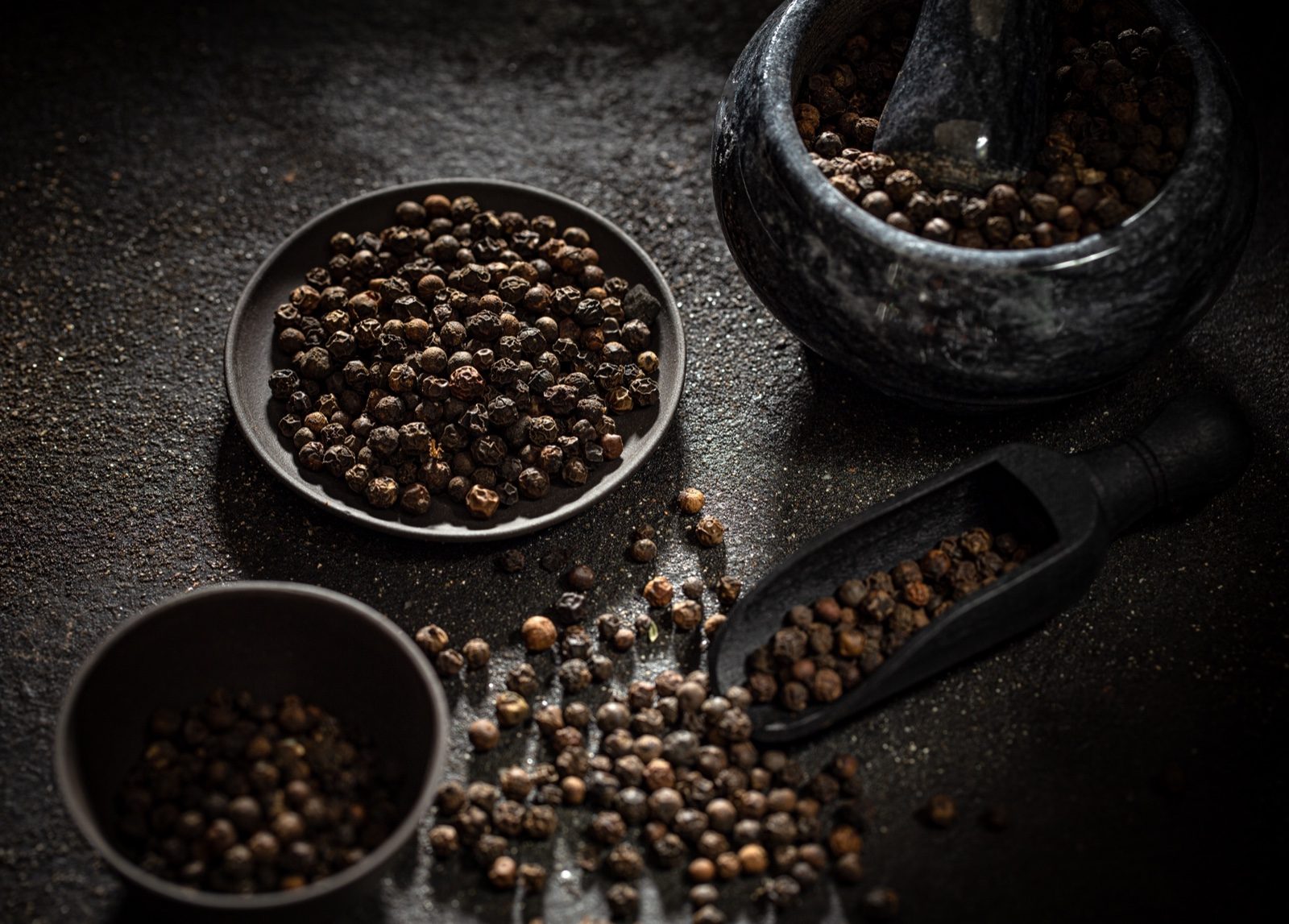
Why was black pepper so valuable?
Because it only grew in one place, and everybody wanted it.
Piper nigrum is a vine from the Malabar coast of southern India. For most of recorded history that was the only place it came from, and getting it to Europe meant a sea passage, several middlemen and a great deal of risk. Rome ran a standing trade with India to keep itself supplied, and the outflow of coin was large enough that Roman writers complained about it.
At times pepper was worth its weight in gold. More usefully, it was used as money: rents, dowries and taxes were all settled in peppercorns, because a dried peppercorn keeps for years, is easy to weigh and is wanted by everyone.
Rome paid part of a ransom in peppercorns
In 408 CE, Alaric and his army sat outside the walls of Rome and named a price to go away. The city paid 5,000 pounds of gold, 30,000 pounds of silver, 4,000 silk tunics, 3,000 dyed hides, and 3,000 pounds of pepper.
Gold, silver, silk, hides, and three thousand pounds of peppercorns. Somebody itemised the pepper.
The detail worth sitting with is that pepper appears on that list at all, between the silver and the leather, as a store of value a besieging general would accept. He asked for it because he knew Rome would have it.
World History Encyclopedia, pepper timelineThe 408 CE ransom, and pepper’s long use as currency. Read the timeline
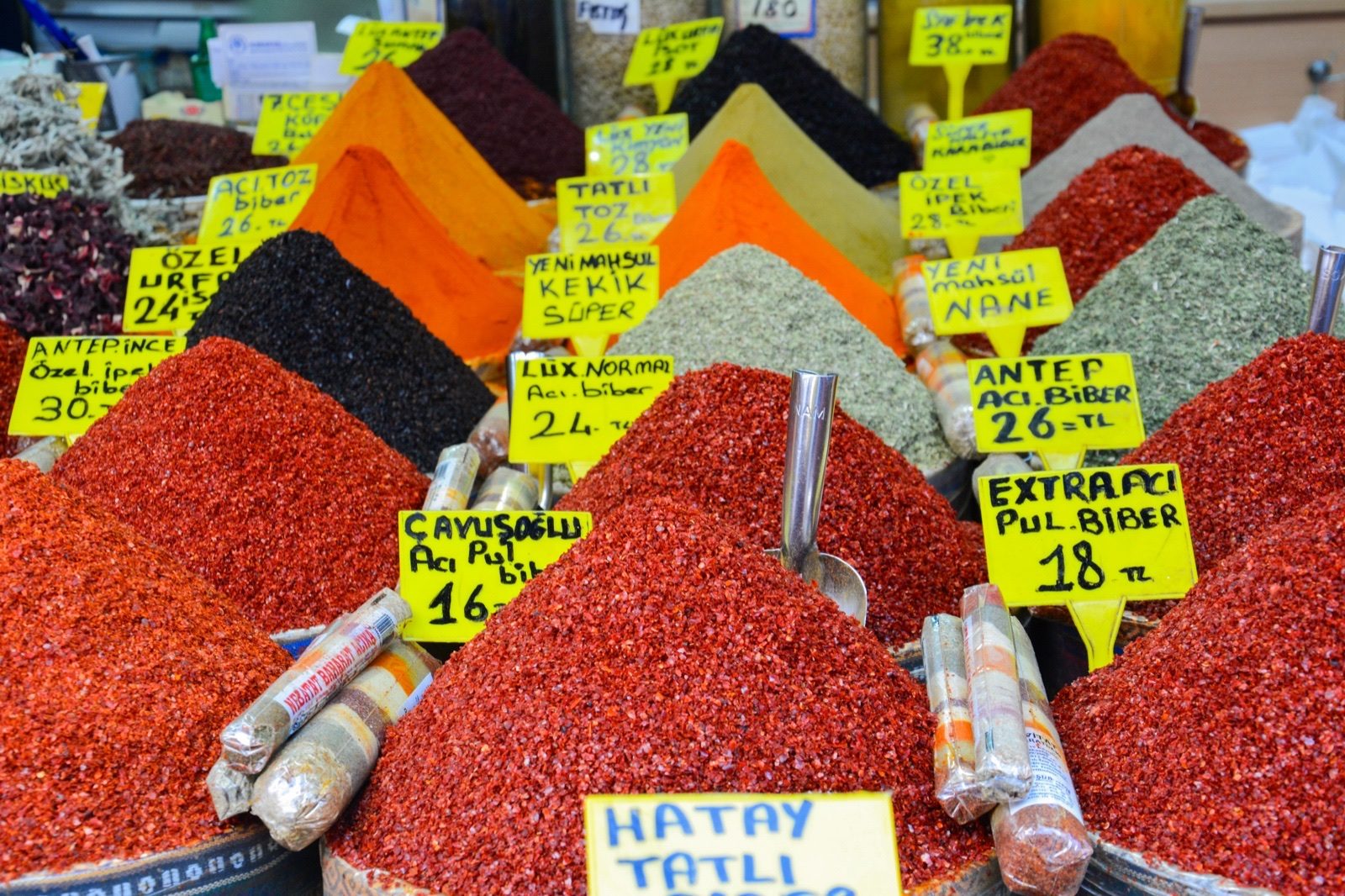
Rents, dowries and taxes were settled in sacks like these.
What the Romans actually did with it
They put it in nearly everything. De re coquinaria, the only Roman cookbook to survive, calls for pepper in 349 of its 468 recipes. Sweet dishes included. It was not a seasoning kept for special occasions; it was the default.
Pepper is also the reason the map looks the way it does. The search for a sea route to the Malabar coast that cut out the middlemen is what sent Portuguese ships around Africa, and Vasco da Gama’s voyage was a spice-buying expedition before it was anything else. Whole centuries of exploration were financed by the desire to buy this cheaper.
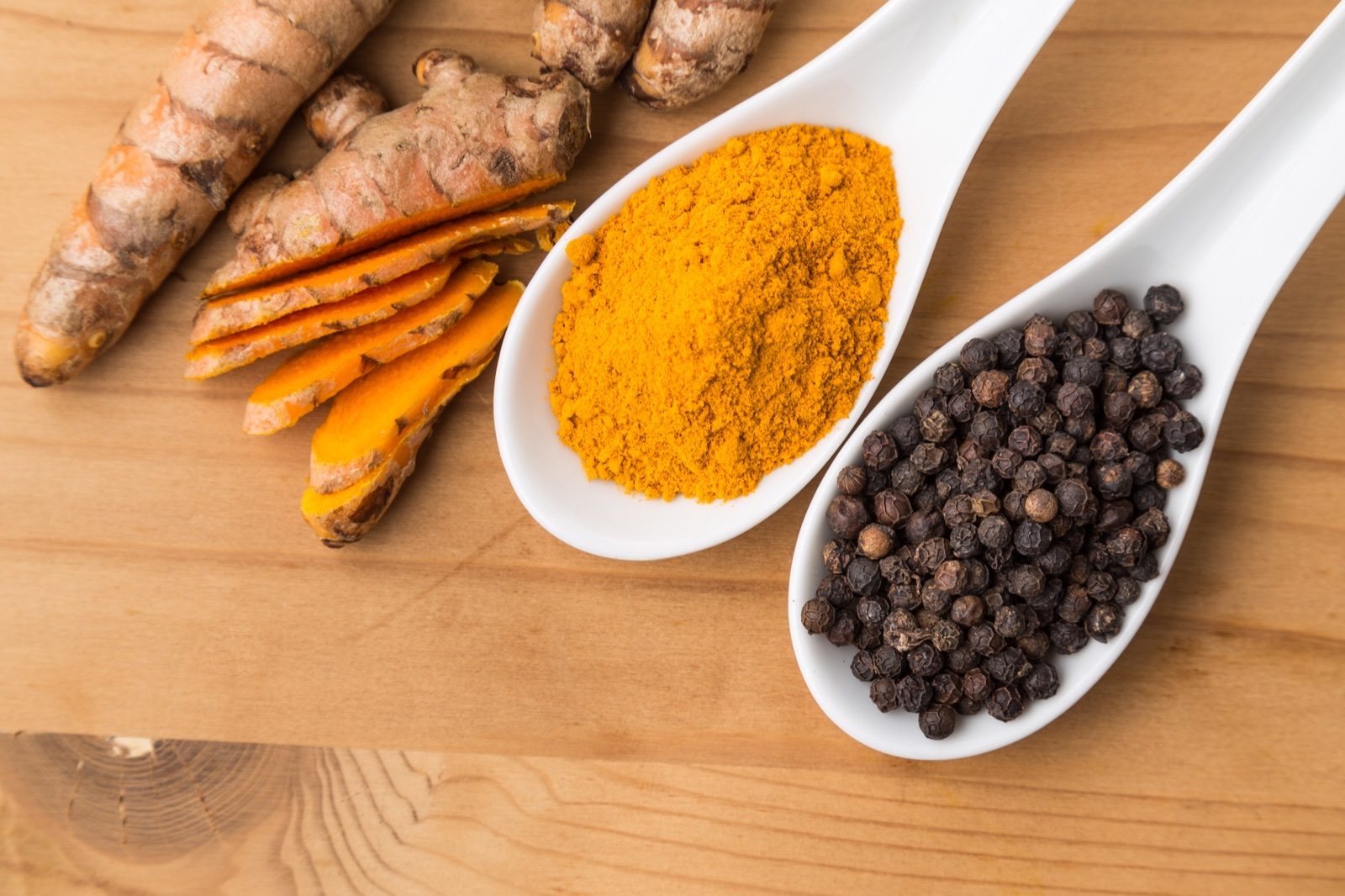
The pairing is old cooking practice and good pharmacology at the same time.
Why black pepper is in every bottle we make
Not for the heat, and not for the history.
Pepper’s pungent compound is piperine, and piperine slows the rate at which the body clears curcumin, the compound turmeric is studied for. Curcumin on its own is absorbed poorly, which is the single biggest problem in the turmeric literature. That is why almost every turmeric supplement on any shelf lists pepper beside it, and why traditional cooking paired the two for centuries without needing the mechanism explained.
So the spice that funded empires is in our bottle doing a supporting role, and it is the one ingredient whose whole job is to make another one count.
Read the full storyWhat piperine is, what the research does and does not show, and who should be careful with it, on the black pepper ingredient page. Or see all ten plants in the bottle.
This article is for general information and is not medical advice. Natural Elixir is a natural health tonic and is not intended to diagnose, treat, cure, or prevent any disease. Always speak to a healthcare professional before changing your diet, supplements, or medication.