
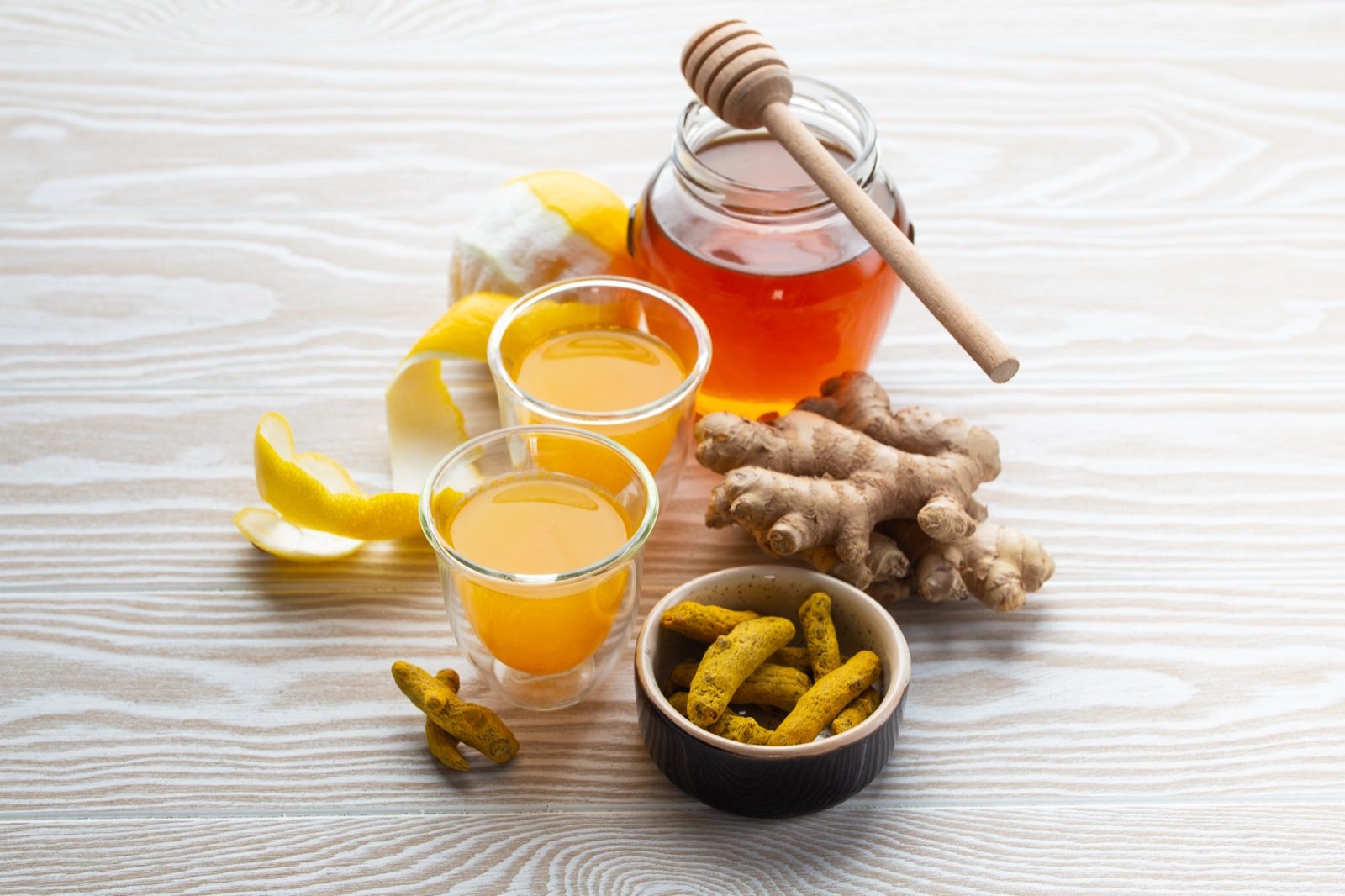
What is the difference between a health tonic, a supplement and a juice shot?
A supplement is a measured dose of a specific substance, sold as a capsule, tablet, powder or drops. A juice shot is a small bottle of freshly pressed juice, usually built on ginger. A health tonic is a small measure of several plants, made to be taken every day. They can share ingredients, and they differ in what they deliver, how long they keep and how South African law treats them.
We make a daily health tonic, so we have an interest in this question. The fair comparison is still worth having, because each of the three is the right choice for somebody.
Health tonic, supplement and juice shot side by side
The three compared at a glance, row by row.
| Supplement | Juice shot | Natural Elixir | |
|---|---|---|---|
| Plants in a dose | |||
| Format | |||
| Strength per dose | + | ||
| Sugar | |||
| Shelf life | |||
| Flavour | |||
| SA rules |
BetterIn betweenWorseBroad estimates for a quick read. Hover over or tap any cell for the detail.
What is a health supplement?
The usual reason to take a supplement is a specific one: you are short of a particular nutrient, often found in a blood test, or a medical condition calls for a measured dose to bring a level back into balance. A supplement is built for that job. South African regulations define a health supplement as a substance or extract sold in dosage forms to complement health, supplement the diet or have a nutritional effect: vitamins, minerals, probiotics, fish oils and plant compounds, usually in a capsule or tablet.
That precision is its great strength. When a doctor or pharmacist finds you low in a specific nutrient, a supplement is how you make up the difference, at a dose you can count on. Folic acid around pregnancy is the best-known example, and calcium and vitamin D are two more that the US National Library of Medicine names.
MedlinePlus, US National Library of MedicineDietary supplements: what they are, the forms they come in, where they are useful, and why to tell your doctor what you take. Read the overview
It is also the form most plant research uses. Turmeric is the clearest case. Ground turmeric averages about 3% curcumin by weight, while curcumin studies commonly use extracts standardised to around 95% curcuminoids, often at about a gram a day. Getting that gram from the spice would take roughly 30 g of turmeric, about ten teaspoons, every day. If a study-strength dose of one compound is what you want, a supplement is the practical way to get it.
Nutrition and Cancer, 2006Pure turmeric powders averaged 3.14% curcumin by weight across the products tested. View on PubMed
Foods, 2017Curcumin: a review of its effects on human health, including the standardised extracts and doses used in the trials. Read the review
The gap is not the same for every plant. Ginger research uses amounts far closer to what a kitchen handles, and the ginger page sets out the numbers.
The trade-off is that a capsule carries one or two things in isolation, and supplements do not go through the testing medicines do, so tell your doctor or pharmacist what you take, especially alongside prescribed medication. Used that way, they are among the most useful things in a pharmacy.
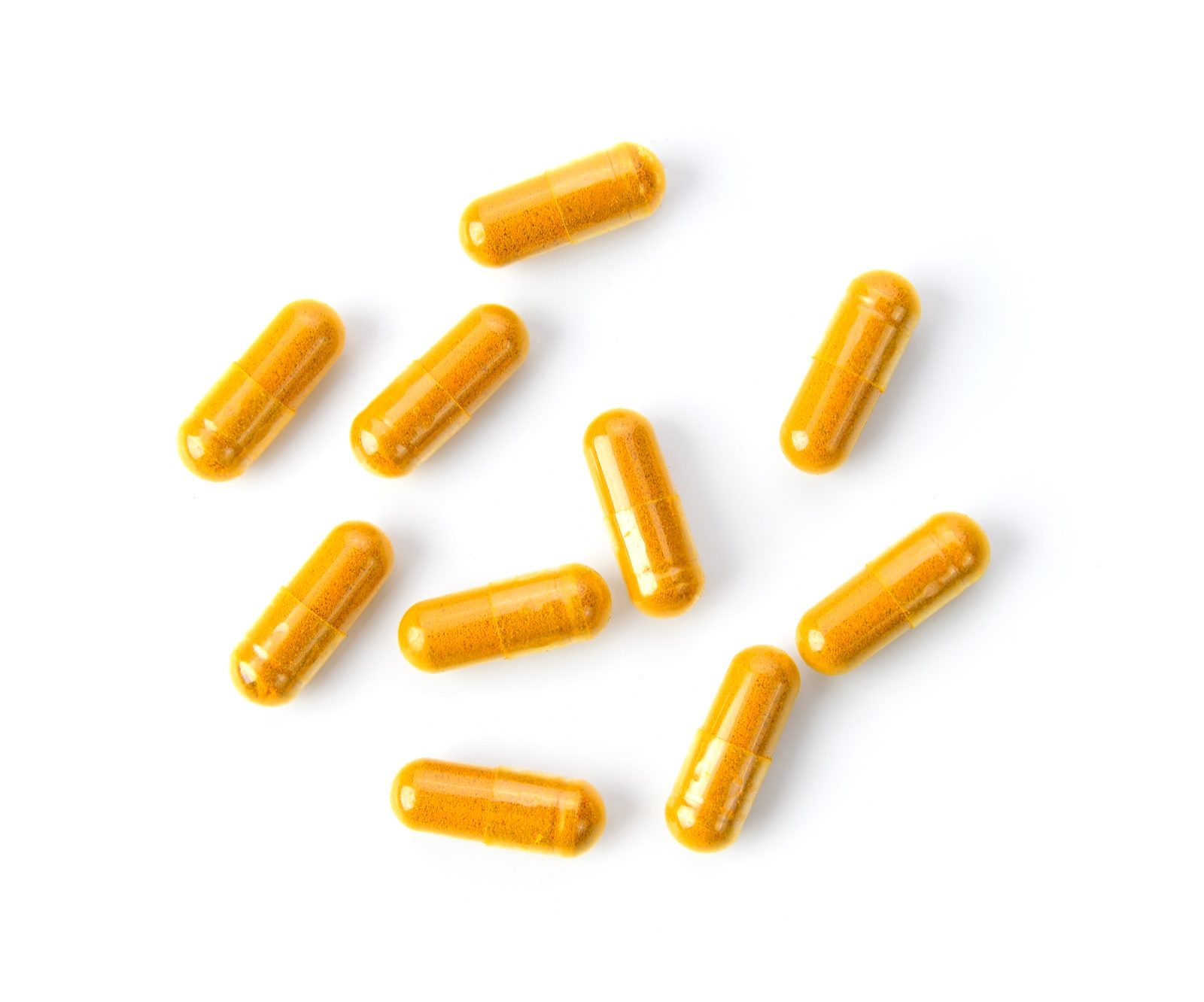
A turmeric supplement holds a standardised extract, many times more concentrated than the spice.
What is a juice shot?
People reach for a juice shot because it tastes good: a delicious, cold drink that still brings a real kick of fresh ginger. It is fresh produce at its most direct, a small bottle of pressed ginger, usually with lemon or orange, sometimes with turmeric, apple or pineapple, taken in a couple of gulps. South African supermarkets and pharmacies stock them, and they are easy to make at home with a juicer.
That taste is the point: fruit and root, pressed and bottled, with the brightness of something made this week. For anyone who loves fresh ginger, few ways of having it are more enjoyable.
Two things are worth reading on the label. The first is the base. A shot built mainly on ginger and lemon carries very little sugar; one built on orange, apple or pineapple carries the sugar of that juice, and orange juice runs at about 8 g per 100 g. The World Health Organization counts the sugar naturally present in fruit juice as free sugar, the same as added sugar, which matters for a daily habit.
World Health Organization, 2015Free sugars include “sugars naturally present in honey, syrups, fruit juices and fruit juice concentrates”. Read the guideline summary
USDA FoodData CentralOrange juice, raw: 8.4 g total sugars per 100 g. View the record
The second is the date. Pressing does not preserve juice, so a fresh shot keeps for a few days in the fridge, and the ones that last for weeks have often been pressure-treated. That is simply what fresh means. Bought fresh and drunk cold, a good ginger shot is a fine way to start a morning.
Centre for Food Safety, Hong Kong, 2021“Cold-pressing does not reduce the microbial load”, so cold-pressed juice “usually has a short shelf life of a few days under refrigeration.” Read the article
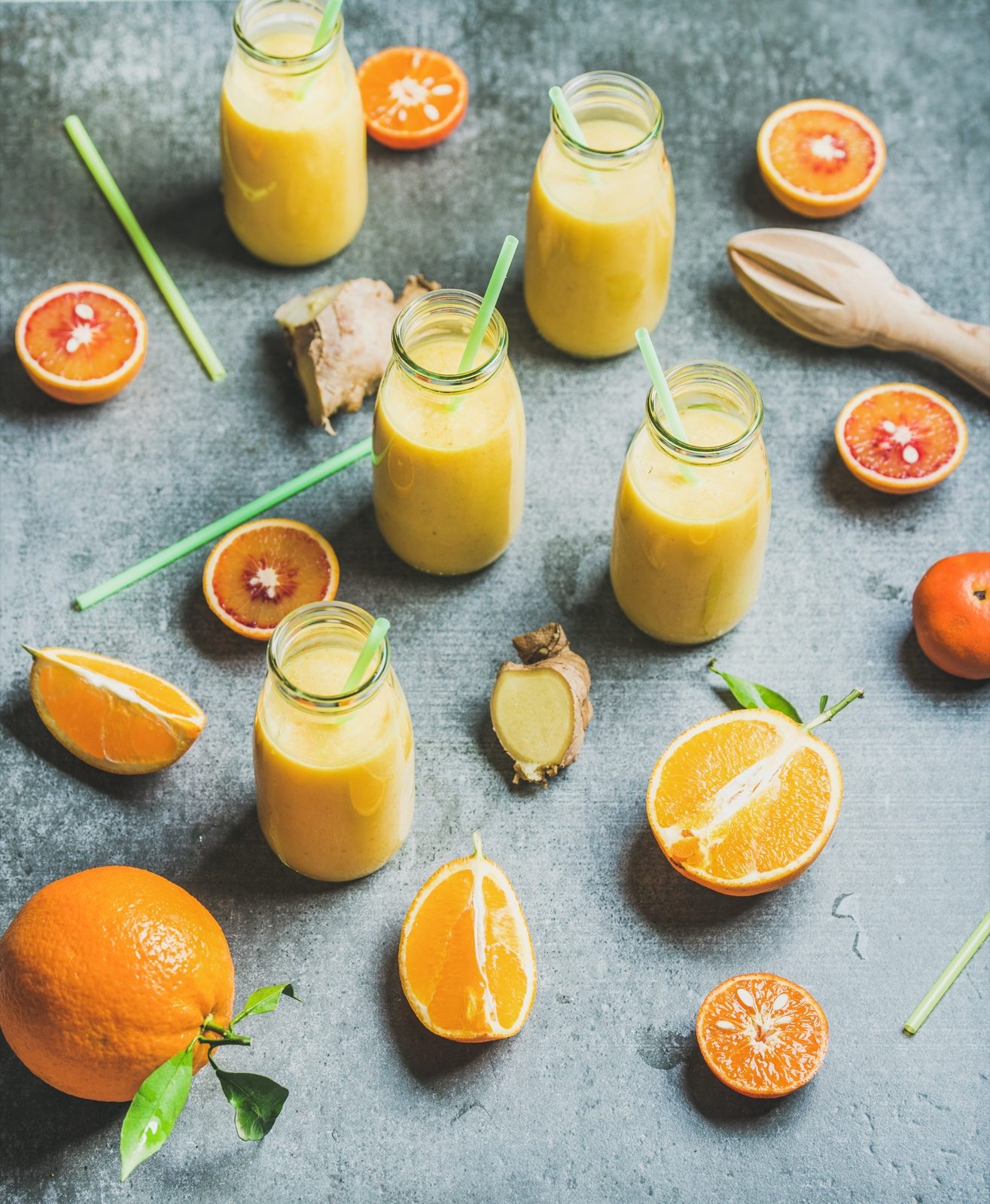
A ginger shot is pressed fruit and root. The base juice decides how much sugar comes with it.
How much sugar is in South African juice shots?
We looked up every ginger shot we could find on sale in South Africa, in supermarkets and from juice makers who deliver: 17 shots from seven brands. Two things stood out.
The first is sugar. The seven that print a nutrition table carry between 6.8 g and 11.1 g of sugar per 100 ml, 9.5 g on average, and every supermarket shot lists fruit juice as its first ingredient, usually apple. Ingredients are listed from the most to the least, so those bottles hold more apple juice than ginger.
Sugar and energy in South African ginger shots, per 100 ml
The seven that print a nutrition table, with Natural Elixir. Dashed lines mark the shots’ average.
The second is ginger. Only one of the 17 says how much ginger is inside: Green Roots’ Pure Ginger Shot, pressed from ginger root alone. Sir Fruit’s Defence Shot gives 300 mg of an “African ginger” extract. The other 15 list ginger without saying how much.
| Shot | Ingredients, in the order listed | Ginger amount listed | Sugar per 100 ml |
|---|---|---|---|
| Sir Fruit Fiery Ginger Shot100 ml | Apple, ginger, lemon | Not stated | Not listed online |
| Sir Fruit Immunity Shot100 ml | Orange, apple, ginger, turmeric, lemon | Not stated | 11.1 g |
| Sir Fruit Glow Shot100 ml | Apple, blueberry, beetroot, ginger, lemon | Not stated | Not listed online |
| Sir Fruit Defence Shot100 ml | Apple, grapefruit, herbal extracts | “African ginger” extract, 300 mg | Not listed online |
| Woolworths Cold Pressed Ginger Shot100 ml | Apple juice, ginger, lemon juice | Not stated | 9.9 g |
| Woolworths Cold Pressed Maca Shot100 ml | Apple juice, lemon juice, ginger, apple cider vinegar | Not stated | 10.9 g |
| Woolworths Pineapple, Ginger and Chilli Shot100 ml | Apple juice, orange juice, pineapple, mango, ginger | Not stated | 8.4 g |
| Woolworths Hibiscus Shot100 ml | Apple juice, strawberry, blueberry, ginger | Not stated | 6.8 g |
| Henties Juices Le Fountain Ginger Bomb Shot100 ml | Apple, ginger, lemon concentrate | Not stated | 9.5 g per 100 g |
| Henties Juices Le Fountain Turmeric Sunshine Shot100 ml | Apple, ginger, water, turmeric | Not stated | 9.8 g per 100 g |
| Green Roots Juicery Ginger Shot100 ml | Ginger root, apple | Not stated | Not listed online |
| Green Roots Juicery Pure Ginger Shot100 ml | Ginger root only | 100% ginger root | Not listed online |
| Green Roots Juicery Bye-Bye Flu Shot100 ml | Pineapple, apple, lemon, ginger, turmeric | Not stated | Not listed online |
| Fresh Juice Co Ginger Shot100 ml | Ginger, apple, lemon, turmeric | Not stated | Not listed online |
| GingerMe Original Single Shot50 ml* | Ginger, lemon, honey | Not stated | Not listed online |
| GingerMe Turmeric Single Shot50 ml* | Ginger, lemon, honey, turmeric | Not stated | Not listed online |
| NutriVita Immunity Booster Shot100 ml | Lemon, ginger, cayenne, turmeric | Not stated | Not listed online |
For comparison, a 100 ml bottle from our Classic tray holds about 13 to 15 ml of ginger and no sugar at all. Whichever shot you pick, the two lines worth reading on the back are the first ingredient and the sugar per 100 ml.
What is a health tonic?
A health tonic is the oldest of the three ideas: a strong plant drink taken in a small measure, every day. The tradition runs from the Roman posca to the fire cider still steeped in kitchens today, and we have written about what a health tonic is at more length.
Natural Elixir is ten plants: turmeric, black pepper, ginger, cinnamon, garlic, lemon, cayenne pepper, apple cider vinegar, sea salt and chaga mushroom, taken as a 25 ml measure once or twice a day. The black pepper is there for the turmeric: piperine is the compound most used to improve how much curcumin the body absorbs.
Zero grams of sugar and about four kilocalories in a 25 ml measure, measured by an accredited laboratory.
The figures come from FACT Labs in Durban, a SANAS-accredited laboratory, which also measured zero fat and gluten under 5 mg/kg. The tonic sits at pH 3.06, acidic enough to look after itself, and a twelve-month real-time study at room temperature found no microbial growth at any point, with nothing added to preserve it.
How long each keeps
From the day it is made, in months.

Ten plants in one bottle, with a year on the shelf and no sugar.
Each plant is there at a food-scale amount rather than an extract dose, so a tonic does not replace a supplement where a specific dose matters. What it does well is the part most people find hardest: taking several plants every day, for months. Most research on these plants follows daily intake over weeks and months, and a daily measure is built the same way.
Depth or breadth
Two different ways to take plants: a lot of one compound, or a little of many.
Depth
A turmeric supplement
1compound, measured
About 1 g of curcumin a daythe amount studies commonly use, from an extract standardised to around 95%. From the spice, that would take about 30 g of turmeric.
The right tool when a specific dose matters.
Breadth
Natural Elixir
10plants, every day, no sugar
- Turmericcurcumin
- Black pepperpiperine
- Gingergingerols
- Garlicallicin
- Lemoncitric acid
- Cinnamoncinnamaldehyde
- Cayennecapsaicin
- Apple cider vinegaracetic acid
- Sea salttrace minerals
- Chagabeta-glucans
Each at the kind of amount you would cook with, in one 25 ml shot.
Which should you choose: a health tonic, a supplement or a juice shot?
- A supplementWhen you are short of a specific nutrient, often picked up in a blood test, or a medical condition calls for a measured dose. That is the job a supplement does best: one substance at an exact strength, taken on the advice of your doctor or pharmacist.
- A juice shotWhen taste comes first: you want a delicious, ice-cold drink that still brings a good hit of fresh ginger. Check the base if sugar matters to you.
- A health tonicWhen you want several plants every day with no sugar, in a bottle that keeps on the shelf for a year.
They are not either-or. Plenty of people take a supplement their doctor suggested and a daily shot of something they enjoy, and the best of the three is the one you will happily keep up.
If a daily tonic is the one for youClassic is the one with cayenne in it. Lite is the same tonic without it. A 25 ml measure once or twice a day; a 750 ml bottle holds thirty. It is acidic, so take it as a shot rather than sipping it, and with food if it burns.
Common questions about health tonics, supplements and juice shots
Are supplements regulated in South Africa?
Yes, as complementary medicines under the Medicines and Related Substances Act, overseen by SAHPRA. Manufacturers, wholesalers and distributors must be licensed. Product registration has not yet been completed for any complementary medicine, which is why each one carries the SAHPRA disclaimer on its label.
Are ginger shots good for you?
A ginger shot is fresh ginger and fruit, which is good food by any measure, and ginger is one of the most researched plants in the kitchen. If it is a daily habit, check the sugar line, and take it with food if it burns.
Can you take a health tonic with supplements or medication?
Many people take both. Tell your doctor or pharmacist about everything you take, because garlic, ginger and turmeric can add to the effect of blood-thinning medication, and that applies to tonics, shots and supplements alike.
Three good things, made for different jobs: a supplement for a measured dose, a juice shot for fresh ginger at its brightest, and a tonic for several plants every day from a bottle that keeps. Knowing which is which is most of choosing well.
How are supplements and health tonics regulated in South Africa?
South African law sorts products by what they are and what they claim, not by what they are called. “Health tonic” is not a legal category at all.
Medicines. Anything sold for the diagnosis, treatment or prevention of disease, or for “restoring, correcting or modifying” a bodily function, is a medicine under the Medicines and Related Substances Act. Health supplements sit inside that law as complementary medicines, known as Category D, overseen by SAHPRA. They may make only low-risk claims, with permitted levels and wording set ingredient by ingredient.
Medicines and Related Substances Act, section 1The definition of “medicine”, as substituted in 2016. Read the definitions
SAHPRA guideline 7.04, March 2022Complementary medicines, health supplements: the regulatory definition, and the permitted levels and claims for each substance. Read the guideline
The registration process is still being built. No complementary medicine has yet been registered, so every one on sale is unregistered and must carry this line on its label: “This unregistered medicine has not been evaluated by the SAHPRA for its quality, safety or intended use.” Seeing it means the product is following the rules.
Spotlight, August 2026Dr Andy Gray on how complementary medicines are regulated in South Africa: “no complementary medicines have yet been registered”. Read the column
Foods. Juice shots, and tonics sold as drinks, are foodstuffs under the Foodstuffs, Cosmetics and Disinfectants Act. Its labelling regulations forbid “the word ‘cure’ or any other medicinal claim, including prophylactic and therapeutic claims” on a food label or advertisement.
Regulation R146 of 2010, regulation 13Prohibited statements on the label or advertisement of a foodstuff. Read the regulation
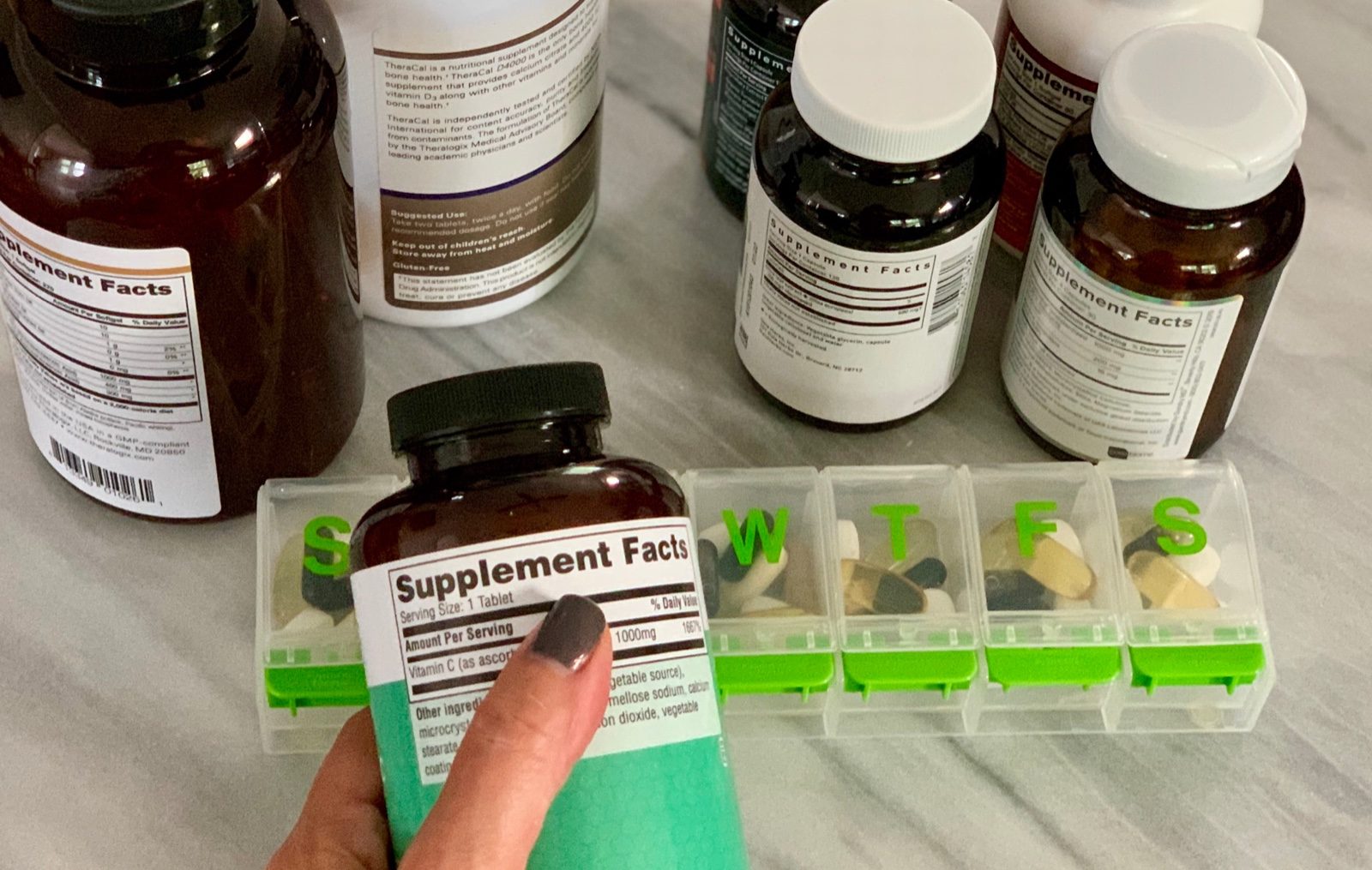
The back of the bottle tells you which of the three you are holding.
For a shopper, that makes the label unusually useful. A food that promises to treat or prevent something is breaking the rules it is sold under, and a supplement tells you plainly where it stands. The back of the bottle tells you exactly what you are buying.
This article is for general information and is not medical advice. Natural Elixir is a natural health tonic and is not intended to diagnose, treat, cure, or prevent any disease. Always speak to a healthcare professional before changing your diet, supplements, or medication, and never stop prescribed treatment without medical guidance.