
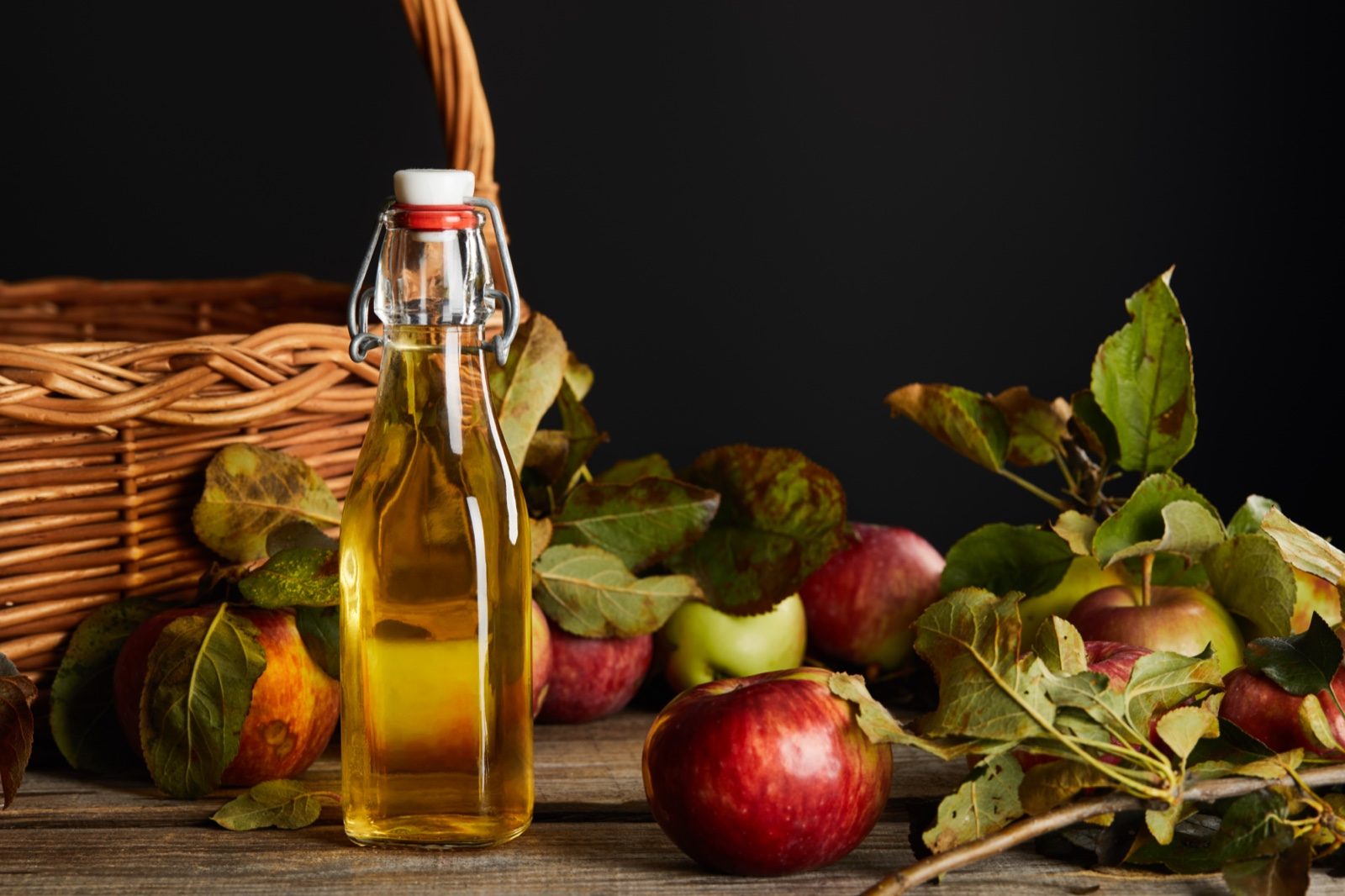
Did Roman soldiers really drink vinegar?
Yes, every day, and it had a name. Posca was sour wine vinegar cut with water, roughly one part vinegar to four parts water, and it was a standard part of the legionary’s daily ration rather than a hardship measure.
The Roman writer Vegetius records the vinegar ration in his manual on military matters. The physician Celsus describes mixing it with water to drink. And a decree of 360 CE is specific enough to be slightly comic: the lower ranks were to have posca and wine on alternate days.
Posca, with the classical sourcesVegetius Concerning Military Matters 3.3 on the ration, Celsus On Medicine 2.27 on mixing it, and the 360 CE decree. Read the summary and sources
Why vinegar rather than water
Three reasons, and only one of them is about health.
The first is that acid makes doubtful water less doubtful. An army on the move drinks from whatever is available, and dropping the pH of a canteen is a cheap way to make it less hospitable. That is the same chemistry that keeps a pickle jar stable.
The second is thrift. Vinegar was mostly wine that had spoiled in storage, so posca turned a write-off into a ration. The third is logistics: diluting one part vinegar into four parts water gave the quartermaster five times the volume of issued drink for the same freight.
Posca was what happened when the wine went off. An empire drank its mistakes and called it a ration.
A note on what is not established, because the internet is confident about it: you will read that posca prevented scurvy and disinfected wounds. Vinegar is a poor source of vitamin C and those claims do not hold up. The water point does.
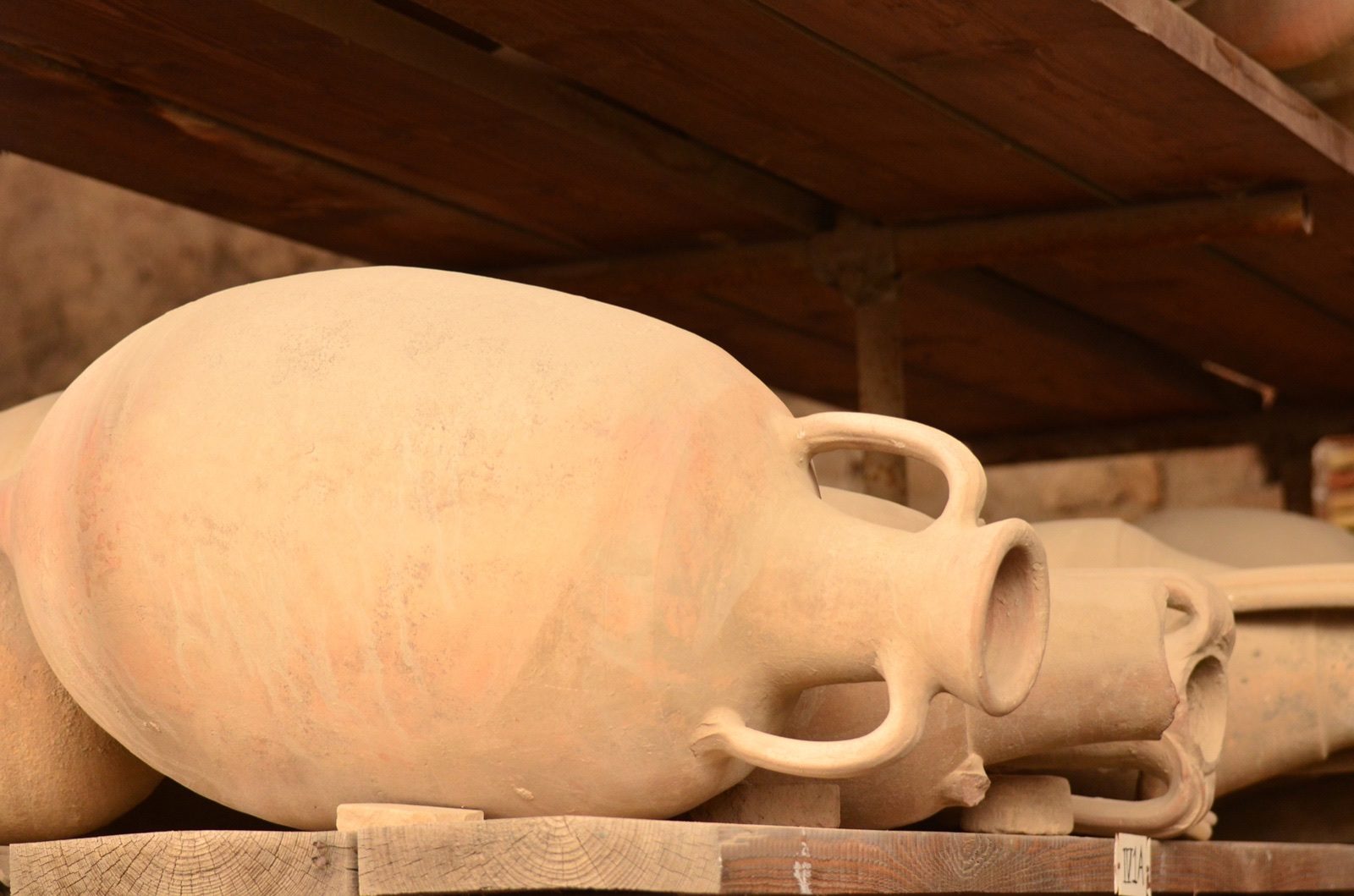
Storage jars at Pompeii. Wine went into vessels like these, and a good deal of it came out as vinegar.
The spiced version, which is the interesting part
Posca did not stay plain. Byzantine physicians wrote down versions of it made with cumin, fennel seed, celery seed, anise, thyme and salt.
Read that list again as an ingredients label. A vinegar base, a handful of aromatic seeds, and salt, taken in a small daily measure by people who needed to keep working. That is not a distant relative of a modern botanical tonic. It is the same idea, written down about fifteen hundred years earlier by someone trying to make a sour drink more palatable and more useful at the same time.

A sour, spiced, salted drink in a small daily measure. The format is about two thousand years old.
What vinegar and salt do in our bottle
The same two jobs, for the same two reasons.
Apple cider vinegar carries much of the sharpness you taste, and its acetic acid is a large part of why the tonic sits at pH 3.06. At that acidity it looks after itself, which is why there is no preservative in the bottle and why a real-time study put the shelf life at twelve months with nothing added. The Roman quartermaster and our formulation are relying on the same property.
Sea salt is there in a very small amount, measured at under 1 mg of sodium per 100 g, and it does what salt has always done in a sour drink: it makes it drinkable.
Read the full storyWhat acetic acid is, what the research shows and who should be careful with it, on the apple cider vinegar page. Or see all ten plants in the bottle.
Nobody sat down in 2010 and set out to reinvent a legionary’s canteen. It is just that a sour, spiced, salted drink taken in small daily measures is a very old solution to a very old problem, and it keeps getting reinvented because it works as a format.
This article is for general information and is not medical advice. Natural Elixir is a natural health tonic and is not intended to diagnose, treat, cure, or prevent any disease. Always speak to a healthcare professional before changing your diet, supplements, or medication.