
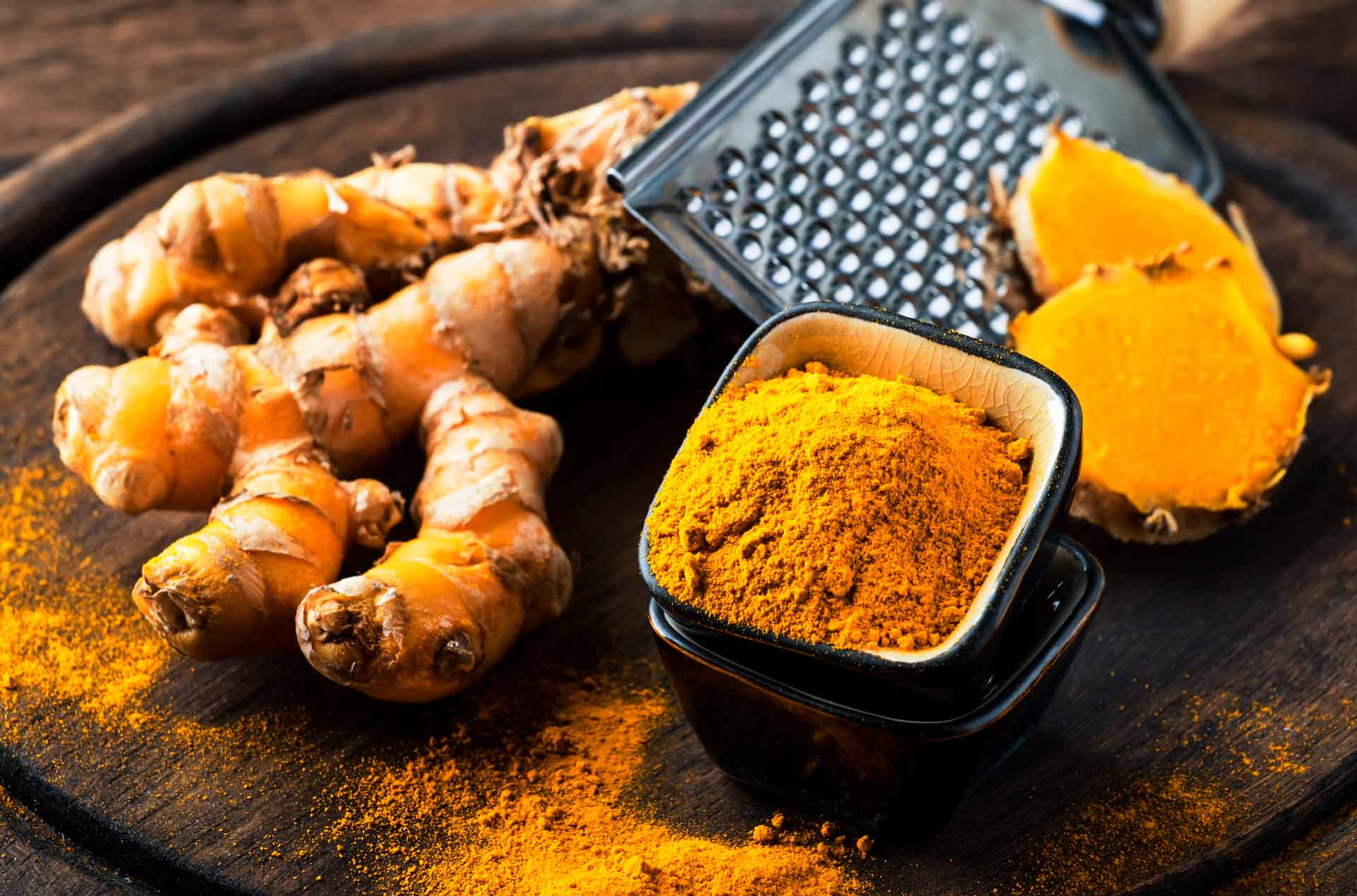
Turmeric: what the research says
Turmeric’s colour and most of its reputation come from curcumin, a polyphenol with well-documented antioxidant and anti-inflammatory activity. It is one of the most intensively studied plant compounds in the world, with thousands of papers to its name, which is an extraordinary amount of scientific attention for something that lives in a spice rack.
The strongest thread running through that work is inflammation, and the antioxidant activity that sits alongside it. Johns Hopkins Medicine describes the research as pointing to “possible benefits for inflammation, joint discomfort and overall cell protection, though evidence is still developing”, and notes that people with osteoarthritis have reported less joint pain when eating turmeric in recipes.
Johns Hopkins MedicineTurmeric benefits, with Mary-Eve Brown, R.D.N., oncology clinical dietitian. Read the Q&A
Blood sugar and metabolic markers have drawn a good deal of trial attention too, mostly using concentrated curcumin rather than the spice. Work on mood and memory exists and is at an earlier stage: as Brown puts it, “studies are small, so more research will reveal if there is a benefit.”
Turmeric has held the attention of serious researchers for decades, which is unusual for a kitchen spice, and the specifics are still being worked out.
Why turmeric needs black pepper

Traditional cooking arrived at this pairing centuries before anyone measured it. Curry powder has always contained both.
There is one thing you need to know about turmeric before anything else on this page is worth much, and most people have never been told it.
Curcumin is difficult to absorb. In the words of Mary-Eve Brown at Johns Hopkins, “curcumin and other active ingredients are not bioavailable, meaning they are not easily absorbed by the body. Also, the digestive process breaks these beneficial compounds down and eliminates them quickly.” Left on its own, a great deal of the turmeric you eat simply passes through you.
Black pepper solves it. Pepper contains piperine, which slows the process by which the body clears curcumin, and the size of that effect is remarkable.
Combining black pepper with turmeric increases curcumin’s bioavailability by 2000%.
That figure comes from Johns Hopkins, and it is worth sitting with. A twenty-fold difference is not a marginal gain or a rounding error. It is the difference between turmeric being a colourful spice and turmeric being something your body can actually use.
It follows that a turmeric product without black pepper is leaving most of its potential on the table. Fat helps as well, which is why turmeric has always worked best in coconut milk, in oil, in a curry, rather than stirred into a glass of water.
Should turmeric be food or a supplement?
This is the one question on which a major academic centre is refreshingly direct, and the answer runs against the way most people take turmeric.
Johns Hopkins advises against turmeric supplements: “more curcumin is not necessarily better, and too much can be risky.” Their conclusion is unambiguous: “It’s better to get curcumin and most other nutrients in whole food form rather than to take turmeric pills, tinctures, capsules or gummies.”
The reasoning is that concentrated capsules carry far more curcumin than any food, and it is those concentrated doses that account for most reported side effects and interactions. Incorporating the spice regularly into meals, with black pepper, is what they recommend instead.
What turmeric is genuinely good for
- Antioxidant activityCurcumin is a genuine, well-characterised antioxidant, and turmeric is among the richest everyday sources of it.
- Inflammation researchThe most active area of study, and the one Johns Hopkins highlights, with the evidence still developing.
- A reason to eat more plantsDiets rich in colourful plant foods are associated with better long-term health, and turmeric is an easy way in.
- Flavour and colourEarthy, warm and unmistakable, for almost no calories and no salt.
- A pairing worth knowingTurmeric with black pepper, and ideally a little fat. It costs nothing and changes everything about how much of it reaches you.
In our tonicBlack pepper sits alongside the turmeric in every Natural Elixir blend, and it is there for exactly this reason rather than for flavour. Pairing the two is the single most important thing anyone can do to make turmeric worth consuming, and a turmeric drink without it is not delivering what it appears to. In Natural Elixir Lite the pepper carries the warmth on its own, without the cayenne, which makes it the gentler bottle of the range. Our turmeric is certified organic and we hold the grower’s certificate.
Who should be cautious with turmeric
Turmeric in food is safe for almost everyone. These cautions apply to concentrated supplements.
- Kidney stonesTurmeric is high in oxalate, and Johns Hopkins notes supplements may raise the risk, particularly where stones run in the family.
- Blood thinnersCurcumin supplements can increase bleeding risk for people taking warfarin.
- ChemotherapySpeak to your doctor before taking turmeric supplements.
- Regular painkillersHigh-dose supplements may reduce the effect of aspirin, ibuprofen and similar.
Common questions about turmeric
What happens if I take turmeric every day?
Used in food, daily turmeric is simply a well-studied spice eaten regularly. Consistency is the sensible approach: research interest centres on regular intake over time rather than large occasional doses.
What are the benefits of drinking warm turmeric water?
It is a pleasant habit, though water alone is not the best carrier: curcumin is fat-soluble and poorly absorbed on its own. Add black pepper, and something with a little fat in it, and considerably more of it reaches you.
How much black pepper does turmeric need?
Very little. The research pairs a large amount of curcumin with a small amount of piperine, so a pinch of pepper alongside a teaspoon of turmeric is the right sort of ratio. More pepper does not mean more benefit.
Is fresh turmeric root better than powder?
Both work. Fresh root has a brighter flavour and freezes well for months; good-quality powder is more concentrated by weight and far easier to use. Curcumin content varies between sources either way.
Does turmeric stain?
Thoroughly, and it is the same pigment doing the work. Countertops and fabric both suffer. Gentle abrasives or chlorine-based cleaners lift it from most surfaces.
This article is for general information and is not medical advice. Natural Elixir is a natural health tonic and is not intended to diagnose, treat, cure, or prevent any disease. Always speak to a healthcare professional before changing your diet, supplements, or medication, and never stop prescribed treatment without medical guidance.